Advertising films play a crucial role in modern marketing. From television commercials to digital advertising campaigns, ad films help brands communicate their message through powerful visual storytelling. But behind every successful commercial lies a structured and collaborative production process.
Understanding the complete ad film production process helps brands plan campaigns effectively and work better with production companies. From the initial concept to the final edited film, each stage plays an important role in shaping the final outcome.
In this guide, we break down the ad film production process step by step — from script to screen.
Step 1: Understanding the Brand and Campaign Objectives
Every successful ad film begins with a clear understanding of the brand’s goals and marketing strategy.
During the initial discussions, the production team works closely with the brand or advertising agency to understand:
- The purpose of the campaign
- Target audience
- Brand positioning
- Key message of the advertisement
- Platforms where the ad will be released
This stage helps define the direction of the film and ensures that the creative concept aligns with the brand’s marketing objectives.
Step 2: Concept Development
Once the campaign objective is clear, the creative team begins developing the core concept of the advertisement.
Concept development involves brainstorming ideas that can effectively communicate the brand’s message while capturing audience attention. This stage focuses on:
- Creative storytelling ideas<br>
- Visual style and tone of the film<br>
- Narrative structure<br>
- Emotional appeal<br>
The goal is to create a concept that is memorable, engaging, and aligned with the brand’s identity.
Step 3: Scriptwriting
After the concept is finalized, the next step is turning the idea into a detailed script.
The script outlines:
- Dialogue or voiceover
- Scene descriptions
- Visual actions
- Timing of the commercial
Since most commercials are short — often 30 to 60 seconds — the script must communicate the brand message clearly and efficiently within a limited timeframe.
Step 4: Storyboarding
A storyboard is a visual representation of the script.
It illustrates how each shot will look and helps the production team visualize the sequence of scenes before filming begins.
Storyboards help with:
- Planning camera angles
- Visualizing transitions between scenes
- Organizing the flow of the commercial
- Communicating ideas to clients and crew
This stage ensures that everyone involved in the project understands the visual direction of the film.
Step 5: Pre-Production Planning
Pre-production is one of the most important stages in the ad film production process. It involves all the planning required before the actual shoot.
Key activities during pre-production include:
- Casting actors or models
- Location scouting
- Set design and art direction
- Costume and prop planning
- Equipment preparation
- Production scheduling
- Budget management
Thorough pre-production planning helps avoid delays and ensures that the shoot runs smoothly.
Step 6: Production (Filming)
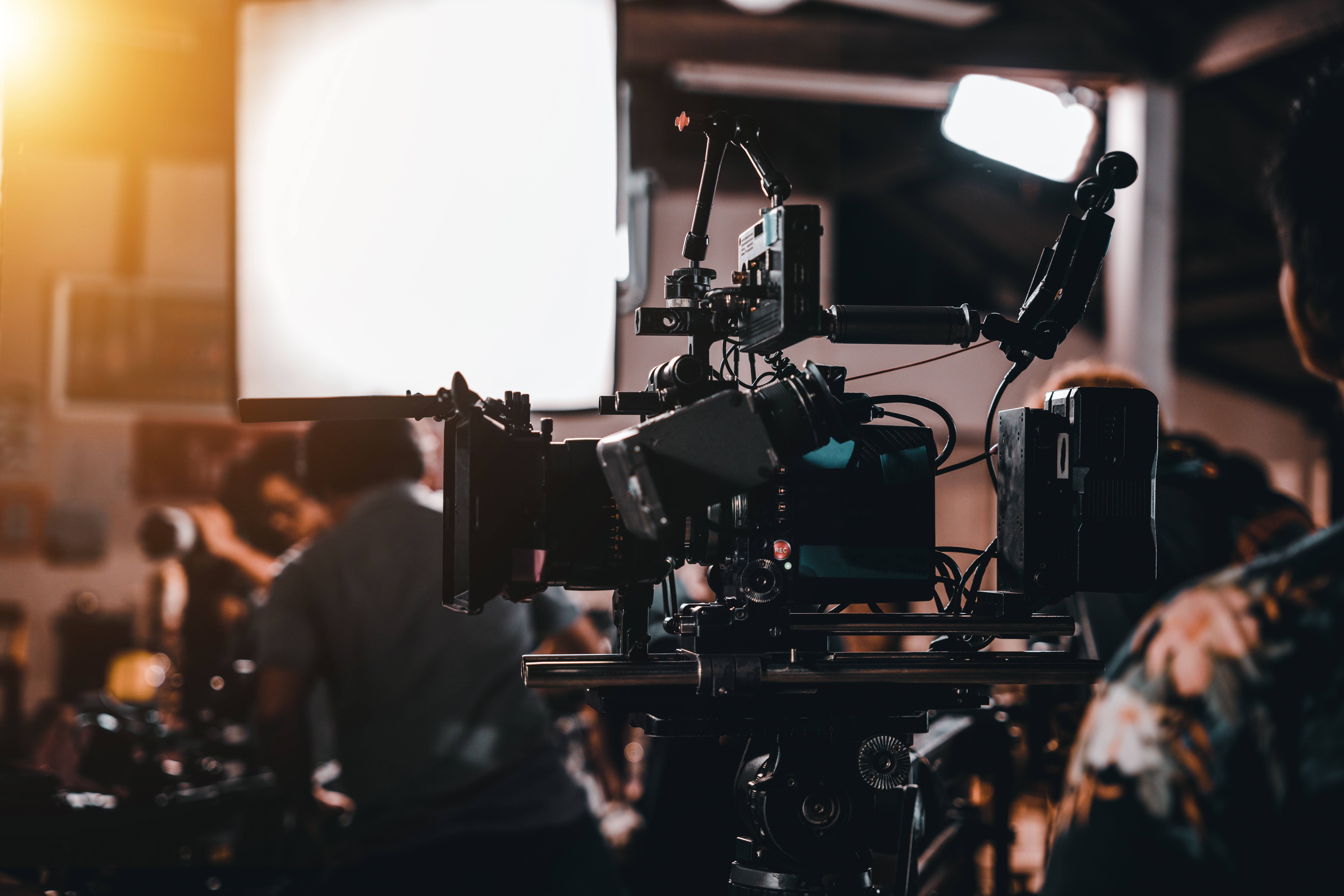
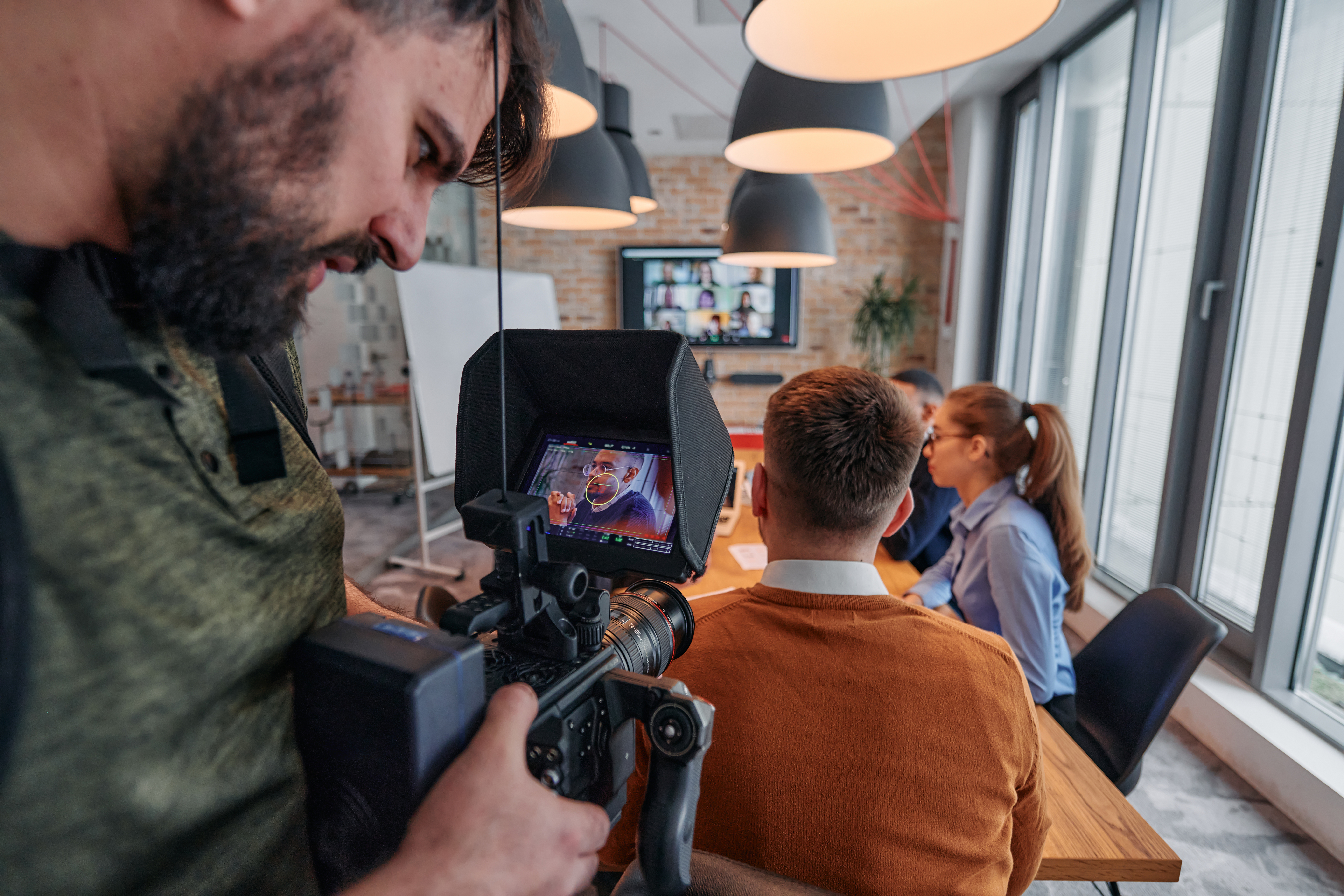
Production is the stage where the commercial is actually filmed.
During this phase, the production team captures all the footage required for the advertisement. This typically involves:
- Directors guiding the creative vision
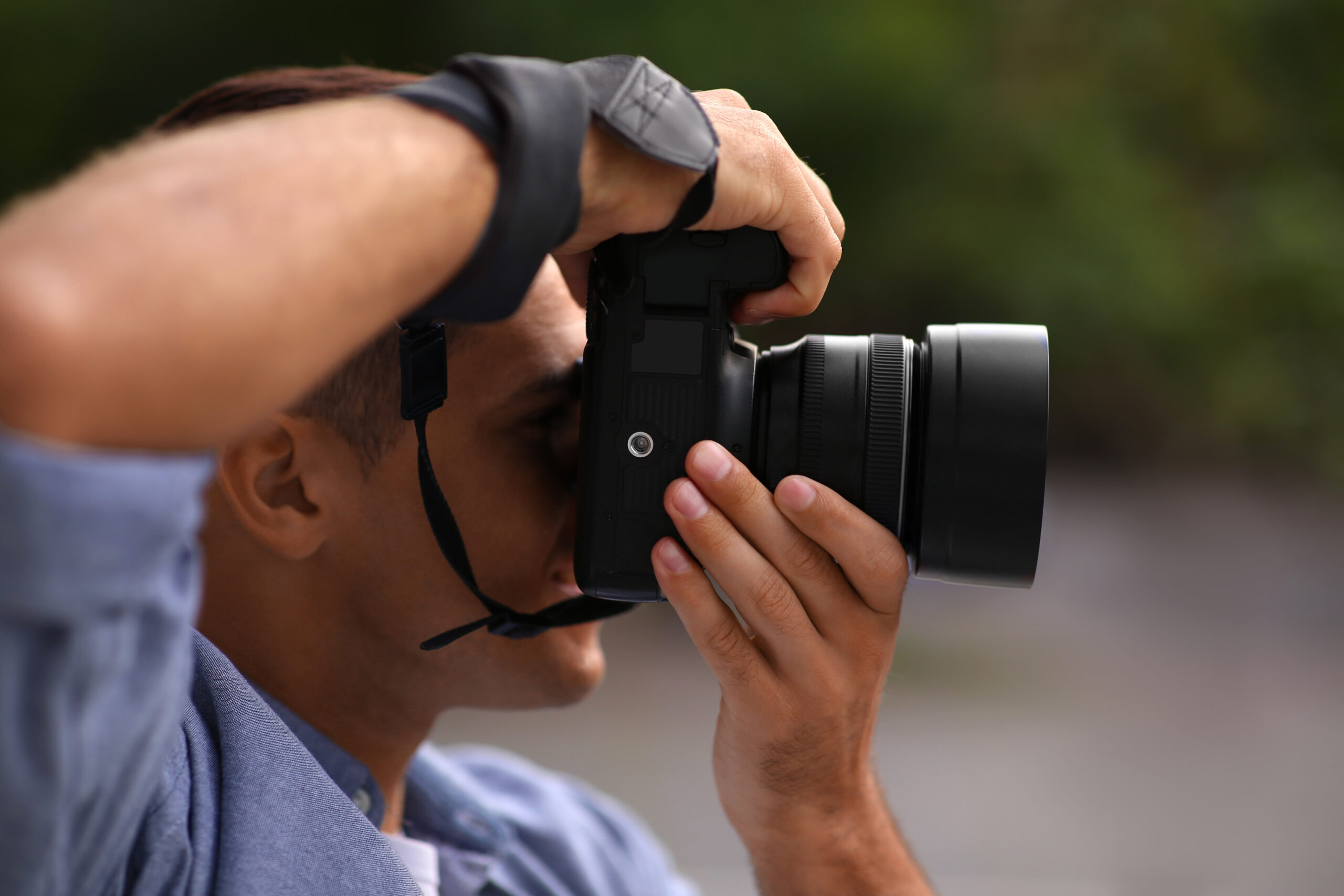
- Cinematographers handling camera work
- Lighting teams creating the visual mood
- Art directors managing the set design
- Actors performing according to the script
Professional ad film shoots often involve multiple takes, different camera angles, and carefully planned lighting setups to achieve the desired visual quality.
Step 7: Post-Production
Once filming is completed, the project moves into post-production, where the footage is refined into the final advertisement.
Post-production usually includes:
- Video editing
- Color correction and grading
- Sound design and audio mixing
- Voiceovers and music
- Motion graphics or visual effects (VFX)
This stage plays a crucial role in shaping the overall look, tone, and pace of the ad film.
Step 8: Final Delivery and Distribution
After the post-production process is complete, the final advertisement is prepared for distribution.
Depending on the campaign strategy, the ad film may be delivered in different formats for:
- Television broadcasting
- YouTube and digital ads
- Social media platforms
- OTT advertising
- Brand websites and presentations
Optimizing the video for each platform ensures maximum reach and engagement.
Why a Structured Production Process Matters
Ad film production involves collaboration between multiple creative and technical professionals. A structured production process ensures that every stage — from concept to final delivery — is executed efficiently.
When done well, this process helps brands:
- Communicate their message clearly
- Maintain high production quality
- Meet campaign deadlines
- Maximize the impact of their advertising film
Bringing Advertising Stories to Life with Strada Films
At Strada Films, every project follows a carefully designed production workflow that combines creative storytelling with technical precision.
From concept development and scriptwriting to filming and post-production, the team works closely with brands to create advertising films that are both visually compelling and strategically aligned with marketing goals.
Whether it’s a television commercial, digital campaign, or brand film, a structured production process ensures that every idea is transformed into a powerful story on screen.